Omega-3 and omega-6 for dogs: understanding food labels
Learn what to look for about omega-3 and omega-6 on dog food labels and when to avoid unnecessary supplements.
Two families of fatty acids
Omega-3 and omega-6 are families of fatty acids, not individual nutrients. Linoleic acid belongs to the omega-6 family, while EPA and DHA are omega-3s. Fatty acids play different nutritional roles, and one family does not make the other unnecessary.
Where to look on the pack
Some labels declare omega-3 and omega-6 levels explicitly; others list ingredients and total fat. Fish oil or oilseeds alone do not reveal the exact content of EPA, DHA or linoleic acid. Ask the manufacturer for details if these matter for your dog.
Do not compare percentages on different bases
Comparing wet and dry food requires accounting for moisture. Even two kibbles can have different energy densities. A percentage alone does not tell you how much a dog consumes each day unless you know the daily portion.
Is extra oil necessary?
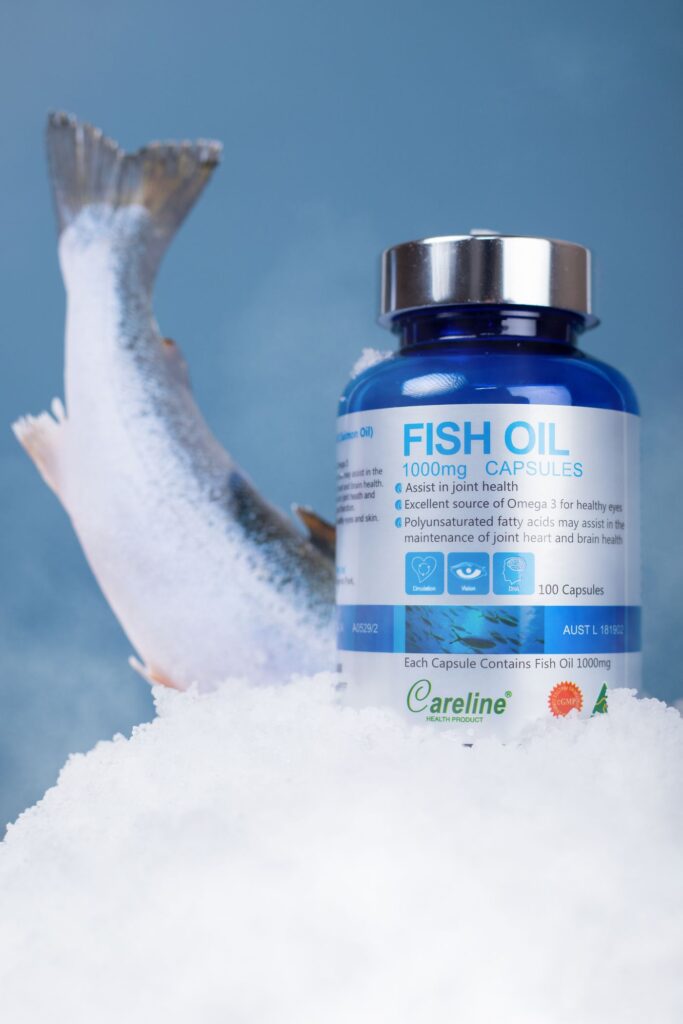
Complete food is formulated for its intended nutritional needs. Adding oil increases calorie intake and is not always useful. Discuss supplements with your vet, particularly if your dog has medical conditions or takes medication. The photo is not a recommendation to supplement.
Discover Peggy Food
Explore our range and read the product information to find the recipe suited to your pet.
Further reading: VCA – Nutrition and Your Dog’s Skin and Haircoat. General information, not a substitute for veterinary advice.