Why your dog refuses dry food and what you can do
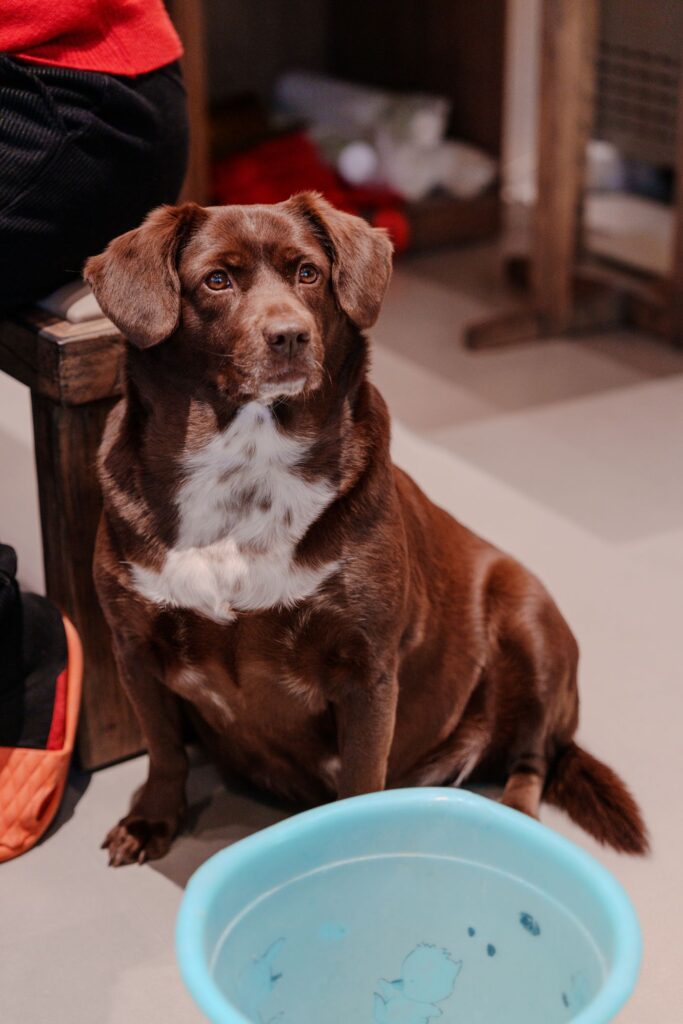
You pour dry food into the bowl, your dog approaches, sniffs it and walks away. If this happens, before buying a different food it is worth understanding what has changed and observing your dog’s behaviour throughout the rest of the day.
Refusing food can be related to habits, food preferences or a health problem. A sudden change in appetite deserves attention: if your dog seems in pain or lethargic, contact your veterinarian straight away.
First, observe how your dog eats
Does your dog refuse only dry food or other foods as well? Do they approach the bowl but seem to struggle to chew? Are they drinking normally?
Make a note of when it started, how much your dog actually eats and whether vomiting, diarrhoea or changes in behaviour have appeared. This information helps your veterinarian assess the situation.
Accepting a treat or soft food does not rule out a problem: for example, discomfort in the mouth can make dry food difficult to eat.
Why a dog may refuse dry food
Large portions and too many extras
Biscuits, rewards and little tastes can have a greater impact on daily nutrition than we imagine. An excessive ration can also leave your dog feeling full before mealtime.
Count everything your dog eats, including morsels offered by other family members: small extras throughout the day can add up to a significant amount.
Preferences and changes in routine
A new food has a different smell and texture. Some dogs have particular preferences; moving house, travelling or changes in the environment can also affect appetite.
If the problem has appeared suddenly, avoid automatically dismissing it as fussiness.
Food storage
Check the date on the packaging, how well the bag is sealed and where it is stored. Heat and humidity can cause the product to deteriorate.
If you notice mould, unusual smells or other changes, do not offer that food to your dog.
Pain or discomfort
Dental and gum problems, nausea and other conditions can reduce appetite. Even a dog that is interested in food may have difficulty eating: changing flavours does not address the underlying cause.
What to do if your dog refuses dry food
If your dog is well and medical causes have been ruled out, you can make a few adjustments to mealtime management.
Check quantities and measure treats
Weigh the dry food and use the feeding table on the packaging as a starting point. The ration should be adjusted to age, activity and body condition with your veterinarian’s support. Avoid topping up the bowl by eye whenever it looks empty.
In general, snacks and treats should not exceed 10% of daily calories. This is a calorie limit, not a percentage of the food’s weight.
If your dog follows a veterinary diet, agree on any extras with your veterinarian too.
Make mealtime a peaceful moment
Offer food regularly in a quiet area and give your dog space to eat without pressure.
If you have several pets, make sure your dog can reach their own bowl in peace. Avoid following them around with food or forcing them to eat.
Keep dry food fresh
Store food in its original, securely resealed packaging in a cool, dry place. You can put the entire bag inside a suitable, clean container.
Wash and dry the bowl after use and choose a pack size you can finish within the time recommended by the manufacturer.
Consider a different texture
If the food allows, you can moisten a small portion with room-temperature or slightly warm water. Prepare it just before serving and remove any leftovers after the meal.
If your dog struggles to chew, this does not replace an examination of the mouth.
Change food gradually
When it is appropriate to choose a different dry food, introduce it little by little, increasing the new food and reducing the previous food over several days.
Follow the manufacturer’s or veterinarian’s advice: an abrupt change can lead to digestive problems.
If you suspect that the previous food has deteriorated, stop using it and do not use it to complete the transition.
Mistakes to avoid
Changing brands at every meal or constantly adding more tempting morsels makes it difficult to understand what your dog accepts and how much they eat.
Also avoid prolonged fasting to persuade your dog to give in. If food refusal continues, ask your veterinarian for advice.
When to contact the veterinarian
If your dog has eaten nothing for about 12 hours, contact your veterinarian to find out how to proceed. Seek advice sooner for a puppy, a vulnerable dog or a dog with a known illness. A diabetic dog that refuses a meal requires prompt contact with the veterinarian.
Discover Peggy Food
Explore our range and read the product information to find the recipe suited to your pet.