Dog boredom: five habits to improve everyday wellbeing
Dog boredom: five habits to improve everyday wellbeing
Sniffing during a walk, looking for a toy, learning something alongside their owner and resting peacefully are all experiences that contribute to a dog’s wellbeing.
Alongside nutrition and veterinary care, the quality of each day deserves attention. Dogs need opportunities to move, explore, interact and use their abilities through activities suited to their age, health and personality.
Small changes to the daily routine can help us meet these needs more effectively.
How to tell if your dog needs more stimulation
When days offer few opportunities for activity and interaction, dogs may find their own ways to occupy themselves, for example by chewing objects or digging.
However, these behaviours can have several causes, including anxiety, pain or difficulty being left alone. A single behaviour is not enough to establish that a dog is bored.
Observe when it happens, what happens beforehand and how often it occurs. Getting to know your dog’s habits is the starting point for identifying changes and discussing them with a veterinarian when necessary.
1. Give your dog time to sniff during walks
For dogs, scents are a source of information about their surroundings. Stopping near a tree or exploring a patch of grass allows them to use a fundamental ability: their sense of smell.
During walks, allow time for sniffing in safe places. You can alternate walking with short stops and introduce some variety into the route, choosing environments where your dog feels comfortable.
A walk can become an opportunity for exercise and discovery. Adjust the duration and intensity to your dog’s physical condition, the weather and your veterinarian’s advice.
2. Offer simple search games
You can offer interesting activities indoors too. A search game can begin with a few pieces of dry food from the daily ration placed in easily accessible spots on a clean, safe surface.
Alternatively, encourage your dog to find a familiar toy, initially leaving it in plain sight.
Start with an easy exercise and gradually increase the difficulty. If your dog walks away or shows frustration, make the game easier or take a break.
Supervise the activity and choose suitable materials without parts that could be swallowed. Count any food used towards the daily ration.
3. Make time for bonding and learning
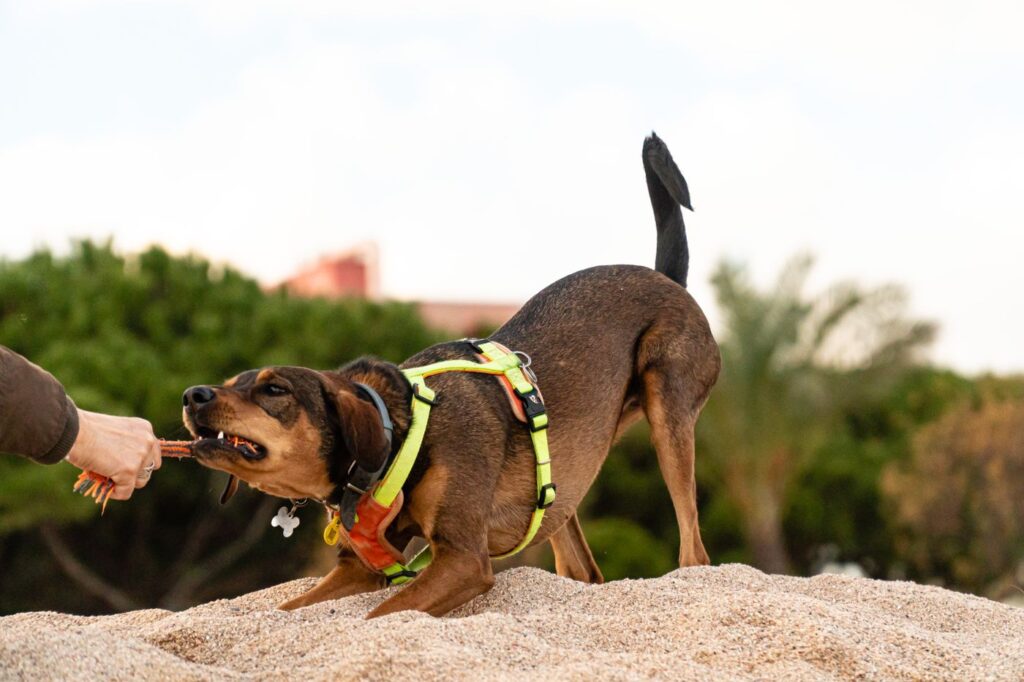
Playing together and learning simple exercises give dogs opportunities to interact with their owners.
Practise recall in a safe environment, teach your dog to touch your hand with their nose or offer a game they enjoy. Reward desired behaviours with something your dog values: a treat, a toy or your attention.
Choose short, enjoyable sessions and respect your dog’s pace. Observing what interests your dog helps you choose engaging activities suited to their abilities.
4. Establish a recognisable routine
A day with fairly regular times for walks, meals, play and rest helps dogs become familiar with household routines.
Maintain some consistency even when your commitments change. If you expect new working hours or a change to family arrangements, introduce changes gradually whenever possible.
Within this routine, you can vary walking routes and alternate activities. Predictability and opportunities for discovery can coexist.
5. Protect your dog’s rest time
Wellbeing also includes the opportunity to enjoy peace and quiet. After activities, allow your dog time to relax and choose whether to seek company or withdraw.
Provide a comfortable, clean and quiet place, away from constant foot traffic. Everyone in the family, including children, should respect the dog while sleeping or resting.
Alternating activity and quiet time is part of everyday care. A stimulating day must still allow time for recovery and sleep.
When to ask your veterinarian for advice
If behaviour changes suddenly, your dog appears unusually restless or loses interest in activities they previously enjoyed, contact your veterinarian. Changes in appetite, sleep or willingness to move also deserve attention.
If your dog barks, destroys objects or shows signs of agitation, especially when left alone, describe these situations to the professional: they may require a specific assessment. Your veterinarian can check for physical causes and, if necessary, refer you for behavioural support.
You can start on your very next walk: allow a few stops for sniffing and observe what catches your dog’s interest. What you discover will help you build a daily routine better suited to your dog.
Discover Peggy Food
Explore our range and read the product information to find the recipe suited to your pet.